Barrier protection,
structured for material integrity.
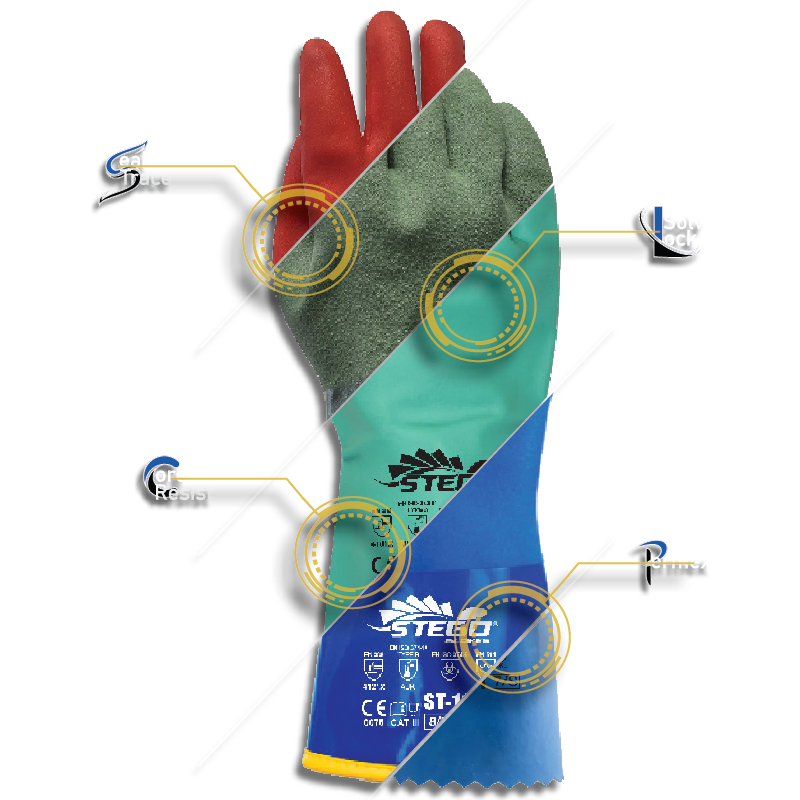
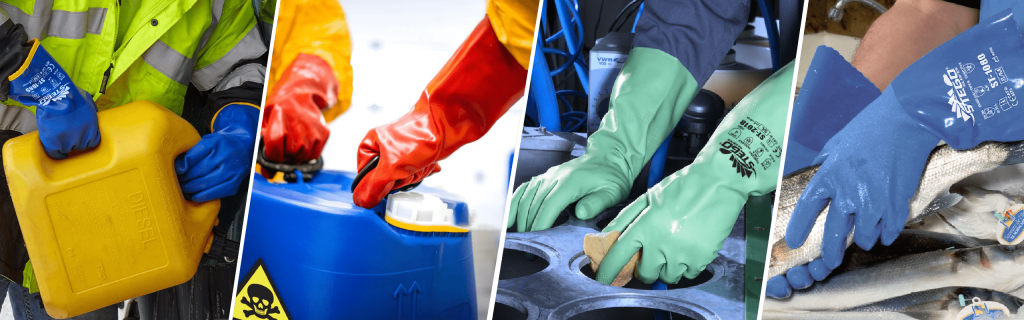
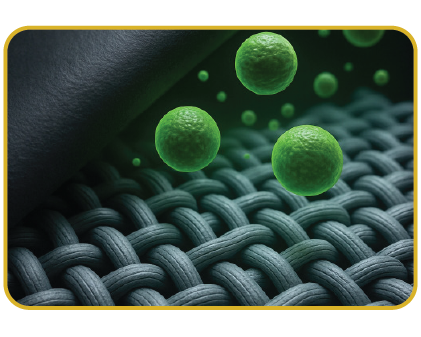
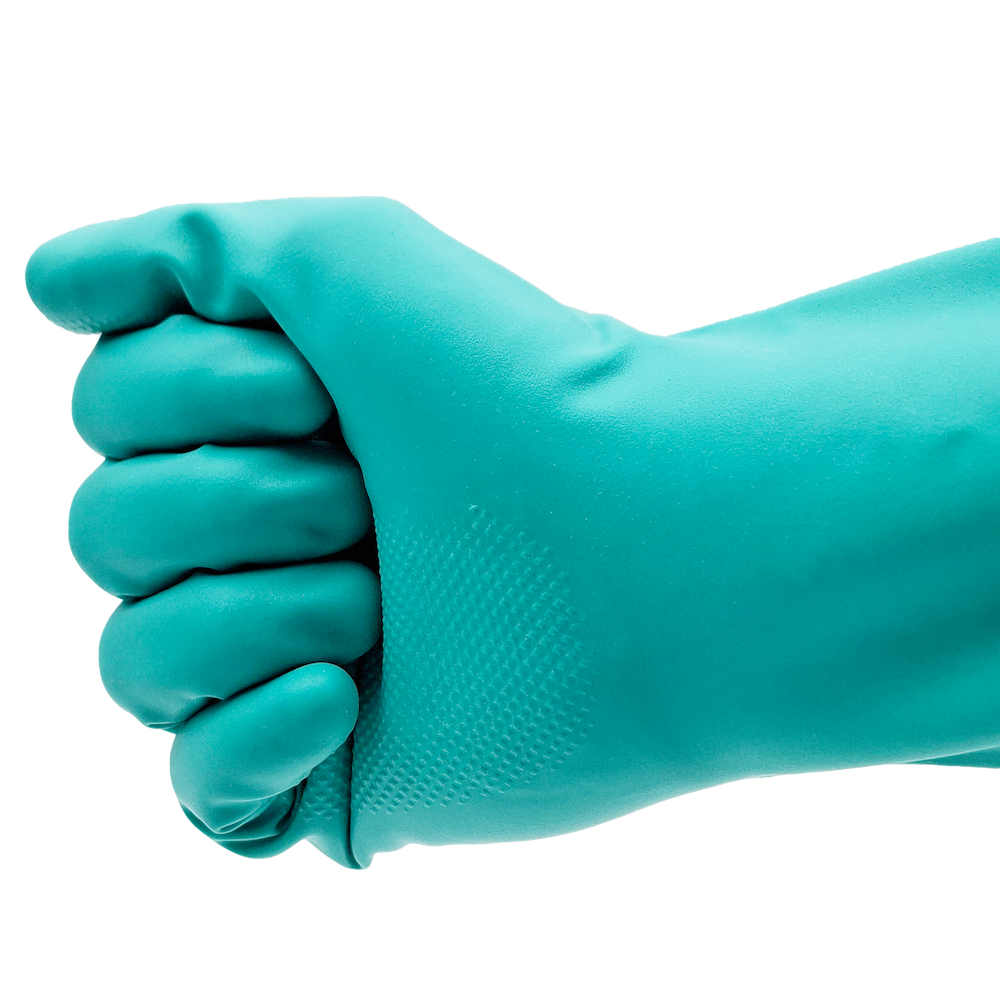
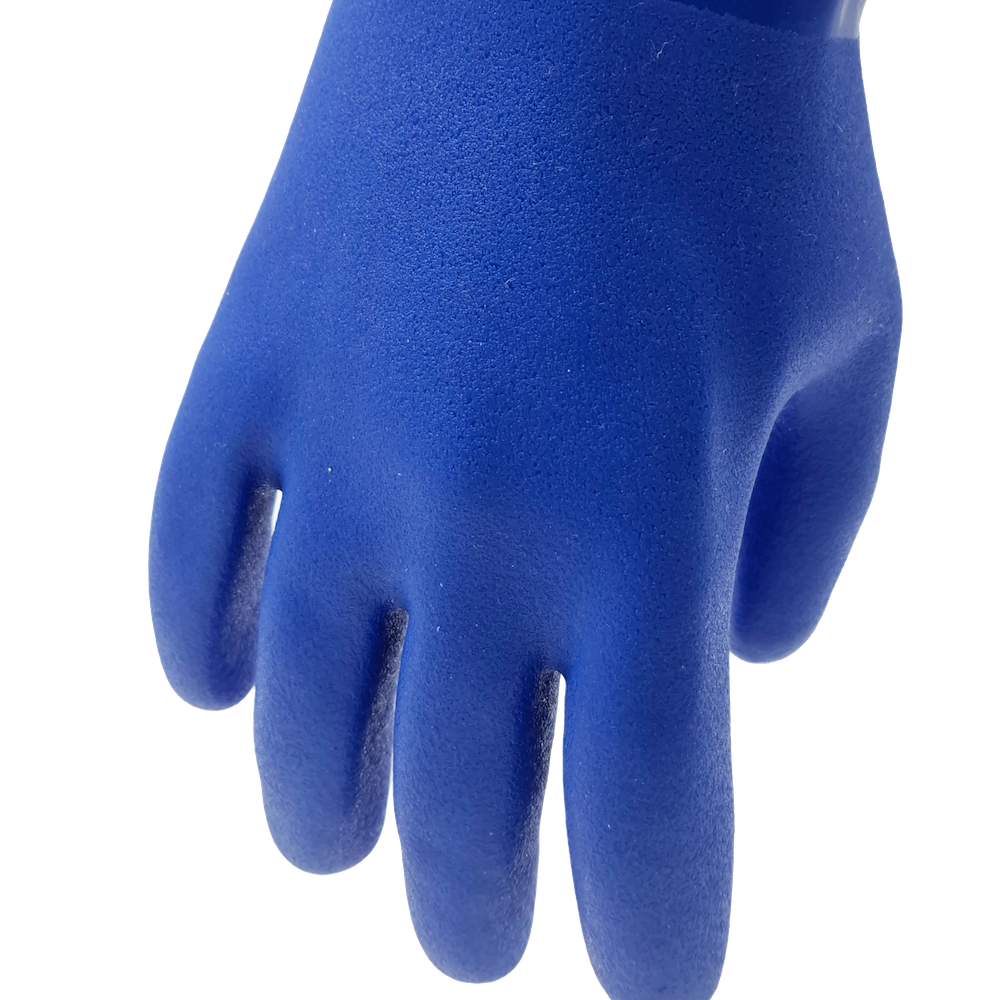
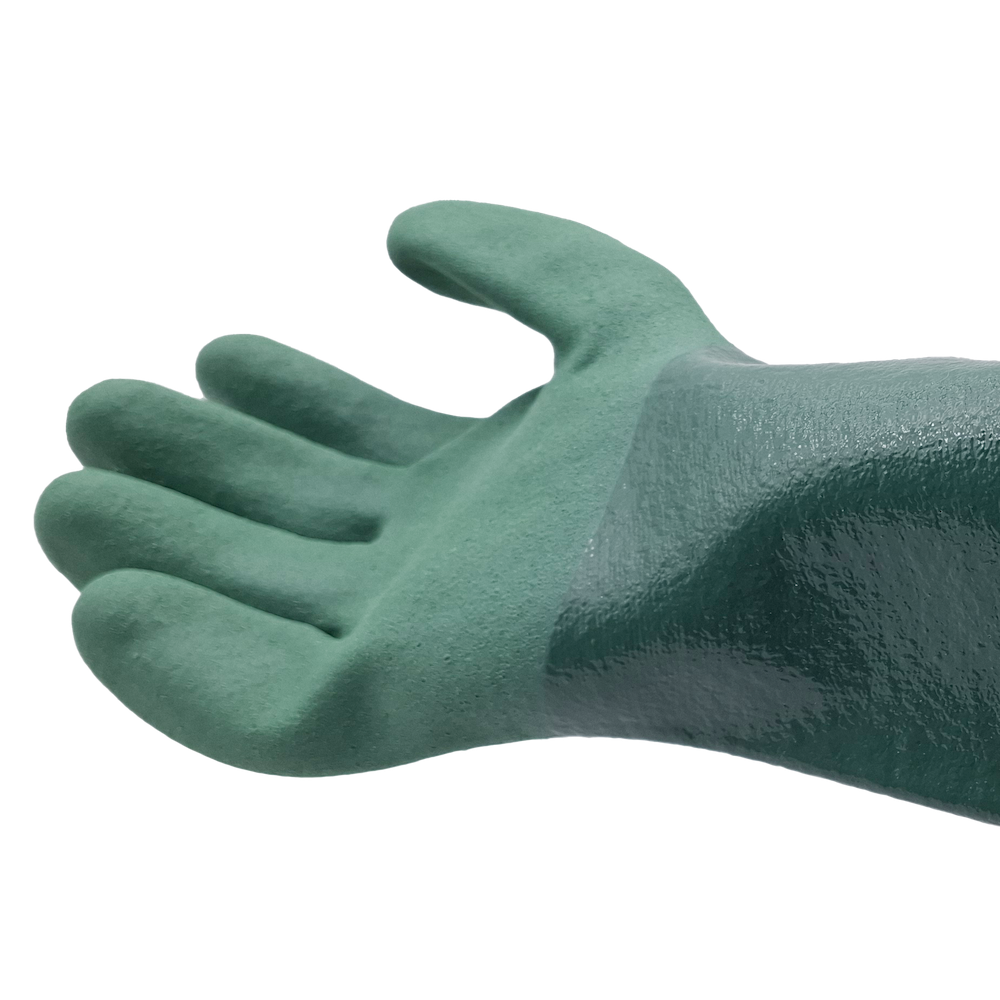
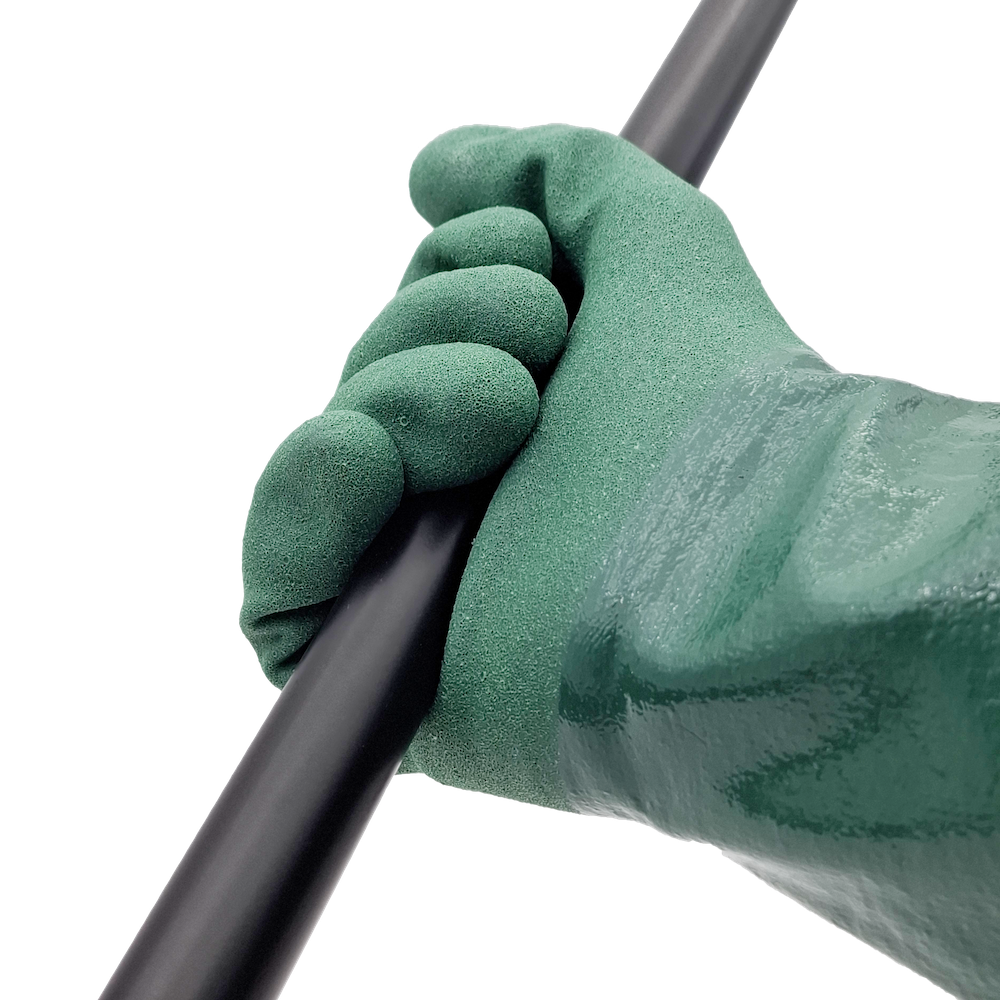
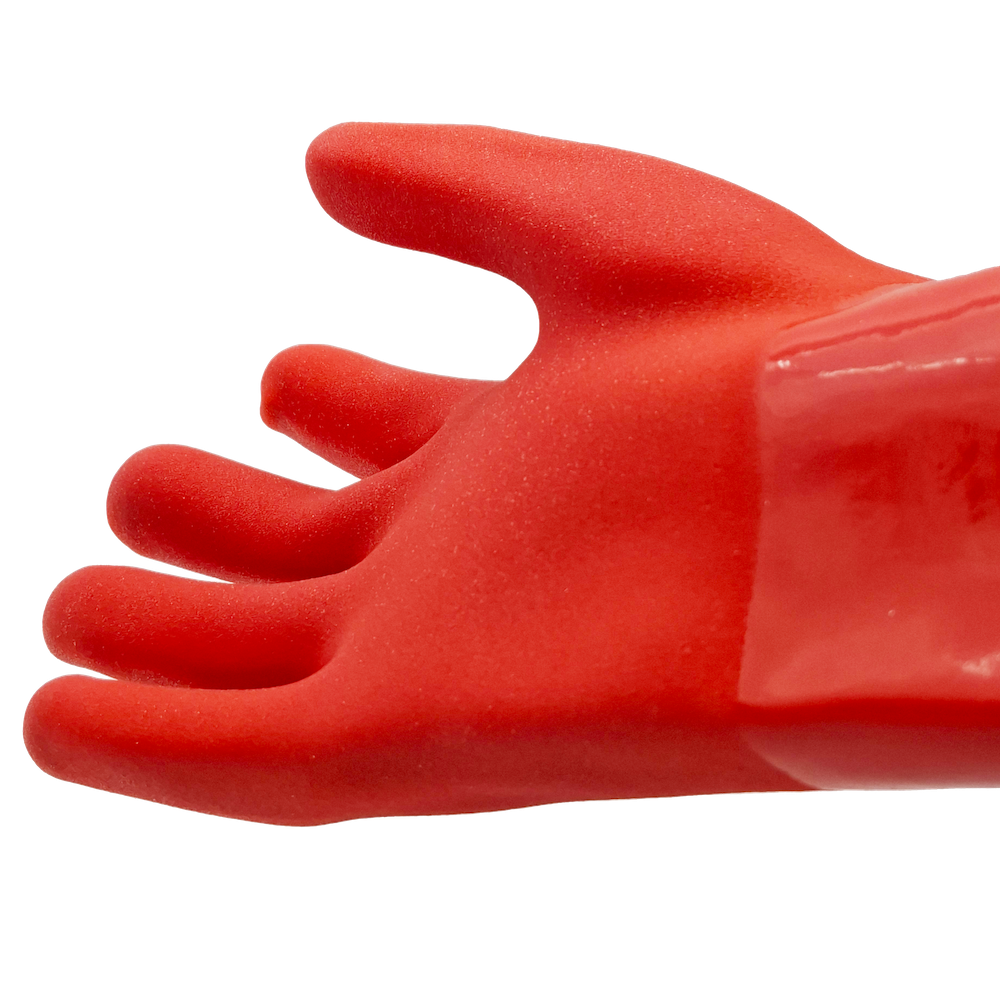
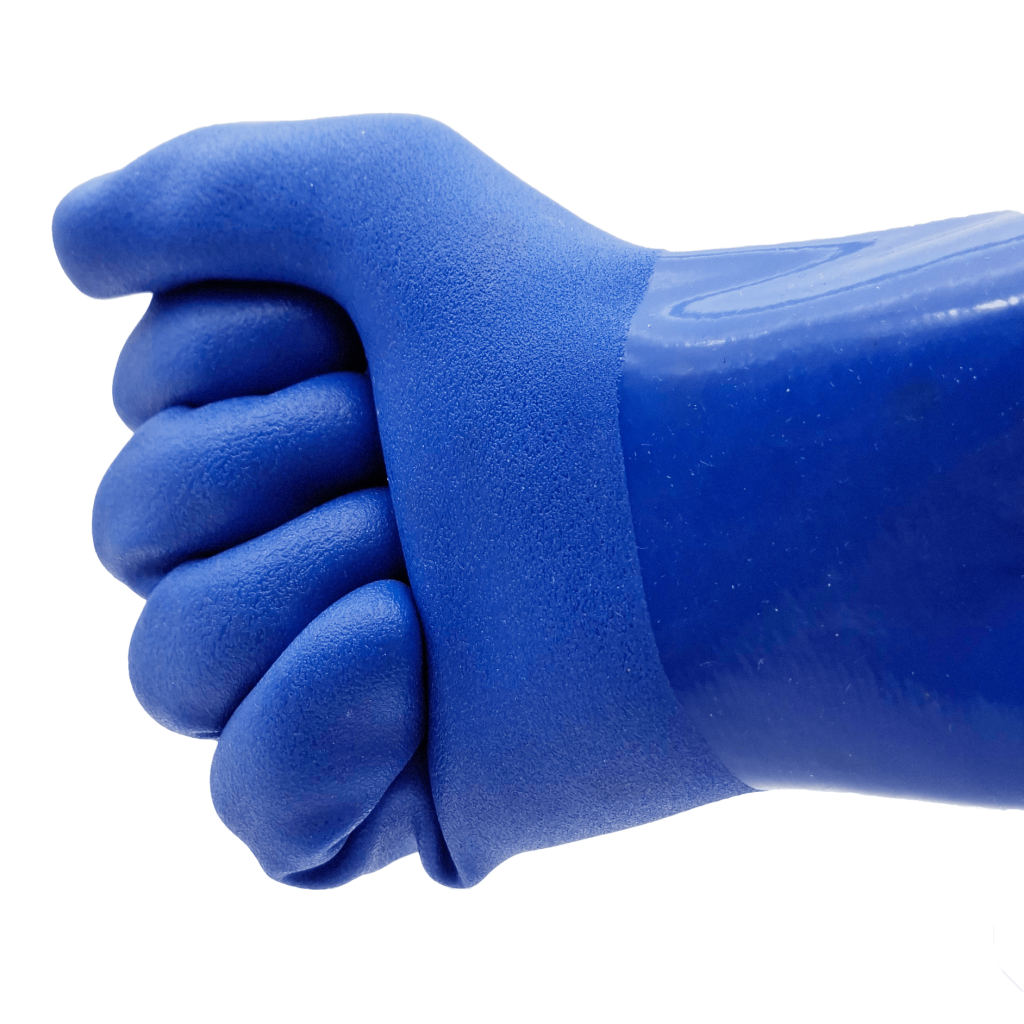
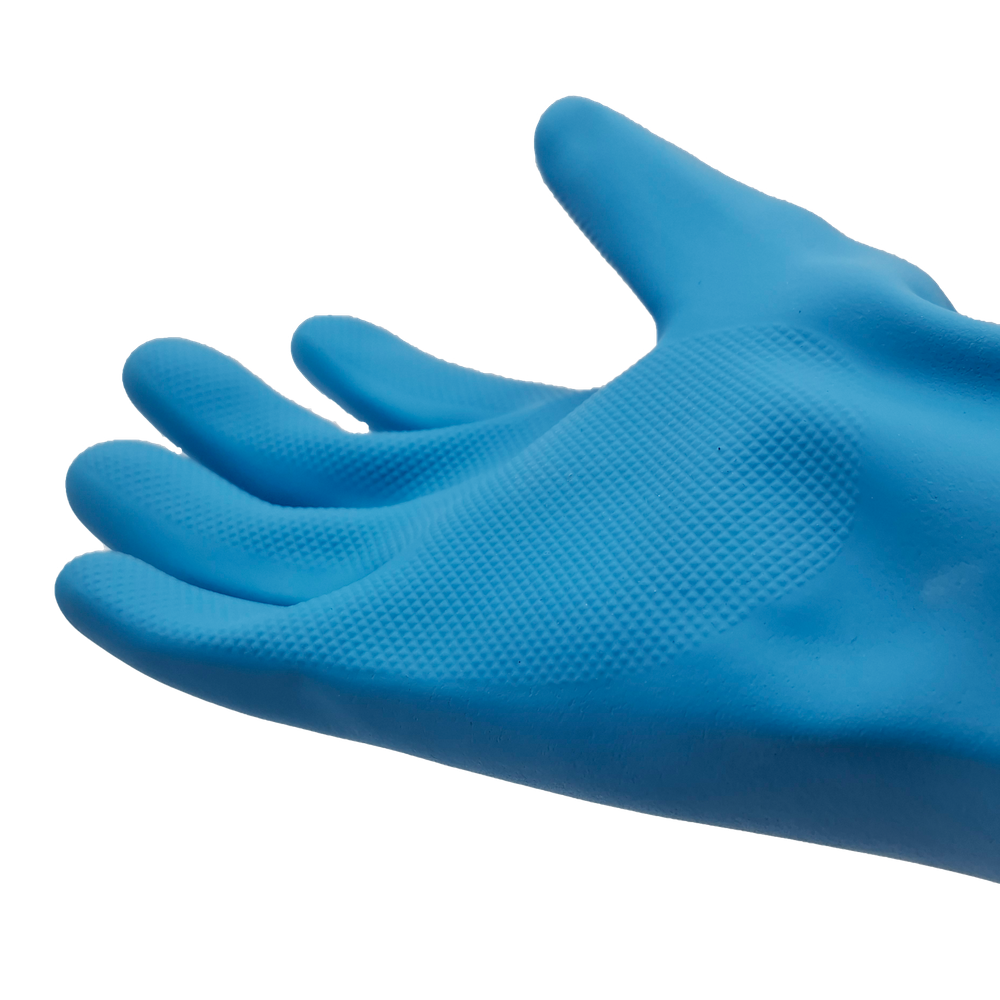
ChemBlock™ is Stego’s barrier-based protection system engineered to defend against chemical infiltration, liquid breakdown, and toxic exposure. It’s not just about materials, ChemBlock™ represents a multi-layered design strategy that enhances resistance, longevity, and safety in gloves exposed to chemical threats. It combines surface precision, structural endurance, and molecular-level blocking power to create gloves that protect against visible spills and invisible hazards alike. The ChemBlock™ platform applies its resistance structure across glove types designed for chemical, liquid, and solvent exposure. While outer materials and thickness may differ, the internal layering strategy remains consistent. Each sub-technology is mapped to a specific point of contact and serves a defined role in chemical control.
DISCOVER THE CHEMBLOCK RANGE
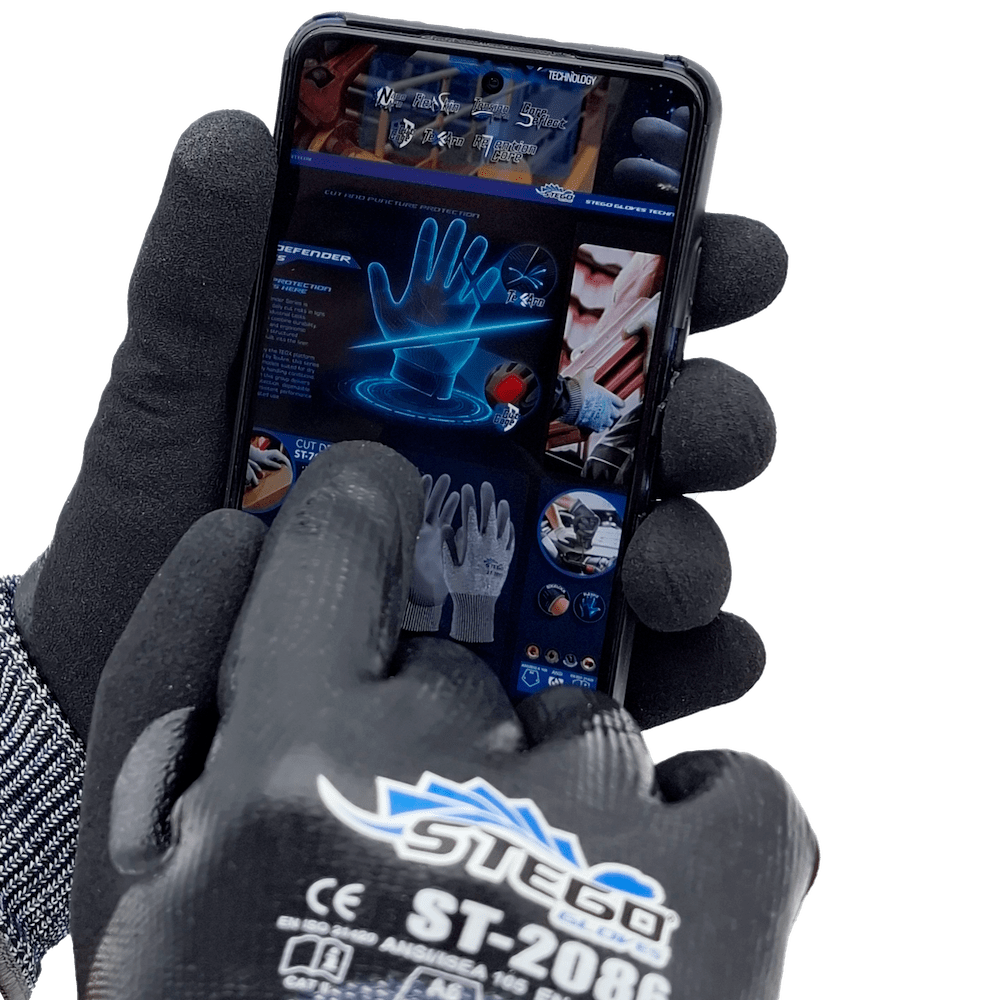
The TEGX™ range applies its system architecture across a variety of glove formats, each tuned for a specific exposure or task. While the environments may differ, the internal structure remains constant, built on biomechanical alignment, tension control, and targeted reinforcement. Each glove integrates these technologies in mapped positions to resist blade contact, stabilize hand motion, and preserve structural form under force.
PERFORMANCE TECHNOLOGIES
Adaptive outer fiber layer that supports finger mobility, Enhances freedom of motion and fingertip control, Found in gloves for inspection, light assembly, or tool handling
Reinforced cut zones placed in high-risk areas, Prevents critical blade penetration at the weakest points, Ideal for gloves in glass, sheet metal, and fabrication work
Engineered knit tension control for natural hand alignment, Improves fit, reduces hand fatigue, Used in gloves intended for long wear or ergonomic consistency
Internal structure that prevents collapse or distortion under stress, Maintains glove shape over repeated use, Ideal for extended-wear gloves under heavy hand movement
The TEGX™ range applies its system architecture across a variety of glove formats, each tuned for a specific exposure or task. While the environments may differ, the internal structure remains constant, built on biomechanical alignment, tension control, and targeted reinforcement. Each glove integrates these technologies in mapped positions to resist blade contact, stabilize hand motion, and preserve structural form under force.