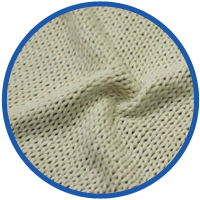
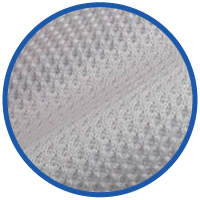
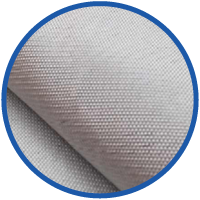
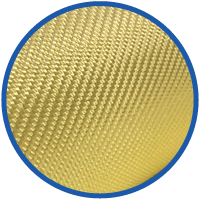
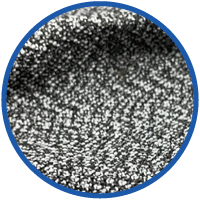
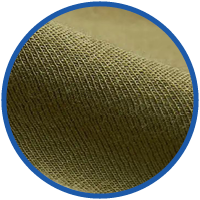
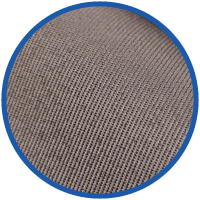
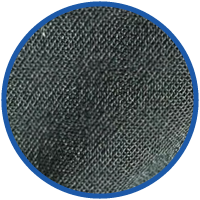
Every Stego glove is a system built on material precision.
Selection starts with the task. Liners, coatings,and reinforcements. Treatments are specified for their role in risk control, grip function, environmental resistance, and structural integrity. Engineered fibers provide targeted strength. Blended compounds deliver endurance. Surface treatments enhance performance under specific conditions. Each material is integrated according to our platform-based design method, where construction is directed by function and validated by exposure.
Why Material Choice Matters.
Material selection controls glove performance. It affects how the glove handles moisture, friction, temperature, impact, or chemical contact. Stego materials are chosen based on the operational setting. Breathable yarns are used for precision work. Abrasion-resistant liners are placed in high-wear zones. Impermeable barriers are applied for chemical contact. Understanding glove composition is essential for choosing the right protection for any task or environment.
Base material
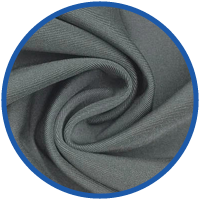
COTTON
Soft, breathable natural fiber with low abrasion resistance. Absorbs moisture and adapts to hand shape for comfortable wear. Used to improve internal comfort, reduce skin irritation, and support extended use in low-risk tasks.
SPANDEX
Highly elastic fiber that stretches and recovers without deformation. Enhances flexibility and enables snug, adaptive glove fits. Used to improve range of motion, maintain fit during use, and reduce restriction across knuckle and finger zones.
HIGH TENSILE PU
Soft, breathable natural fiber with low abrasion resistance. Absorbs moisture and adapts to hand shape for comfortable wear. Used to improve internal comfort, reduce skin irritation, and support extended use in low-risk tasks.
ARAMID
High-tensile synthetic fiber with superior cut resistance and minimal moisture absorption. Lightweight and highdurability. Used for high-performance protection in gloves requiring advanced cut resistance with minimal bulk.
HPPE
High-strength synthetic fiber with exceptional cut resistance and durability. Lightweight and flexible with low moisture absorption and high abrasion tolerance.
ACRYLIC
Soft synthetic fiber with thermal insulating properties. Resists weathering, chemicals, and abrasion while retaining shape under stress. Used to provide warmth, softness, and light resistance in cold-weather or chemically exposed handling tasks.
POLYESTER
Durable synthetic fiber with high elasticity and resistance to shrinking, stretching, and moisture. Low-friction surface aids dexterity. Used to reinforce glove structure, maintain consistent fit, and support precision handling in active use.
NYLON
Elastic synthetic fiber with high abrasion resistance and dimensional stability. Lightweight, smooth, and moisture-tolerant for versatile use. Used to enhance glove stretch, improve form-fitting construction, and increase wear life under repetitive motion.
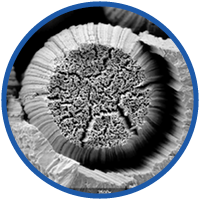
HIGH MOBILITY CARBON
Carbon-based nano material with high tensile strength, thermal conductivity, and abrasion resistance. Used to strengthen liner structure, support temperature control, and extend glove life.
BASALT
Mineral-based fiber derived from volcanic rock, with excellent thermal resistance and dimensional stability. Used to reinforce heat protection and improve structural integrity in blended liners.
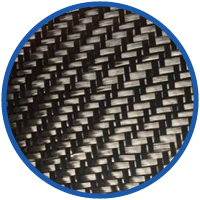
CARBON
Lightweight conductive fiber known for rigidity and high mechanical strength. Used to support cut resistance and liner durability in high-strain applications.
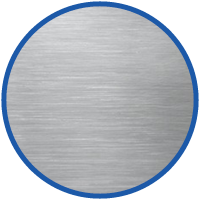
STAINLESS STEEL
Fine metal filaments added to increase mechanical and cut protection. Corrosion-resistant and dimensionally stable. Used to raise cut rating performance without compromising liner flexibility or dexterity.
ELASTIC BLENDS
Highly stretchable synthetic elements that provide form-fitting recovery and mobility. Used to maintain ergonomic fit, reduce bunching, and improve motion response across glove designs.
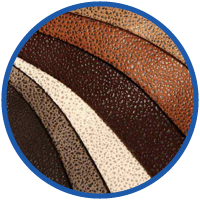
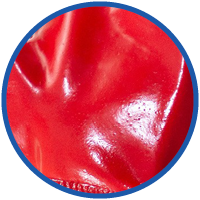
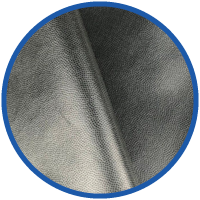
LEATHER
Leather is a tough, flexible material ideal for work gloves, offering excellent durability, grip, and heat resistance. It protects against cuts and abrasions while staying comfortable and reliable, even in wet or high-temperature conditions.
TUNGSTEN
Tungsten is a greyish-white lustrous metal, which is a solid at room temperature. Tungsten has the highest melting point and lowest vapor pressure of all metals, and at temperatures over 1650°C has the highest tensile strength.
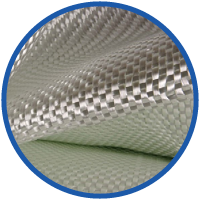
FIBERGLASS
The thermal insulation property of fiberglass makes it a useful fabric in applications that need a thermal barrier and a high level of temperature resistance. A range of fiberglass fabrics suitable for this purpose is offered by Mid-Mountain Materials, Inc.
coating
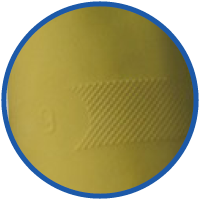
NITRILE
A flat nitrile layer offering excellent abrasion resistance and a dry grip. Used for general-purpose gloves requiring durability and protection against oils and solvents.
NEOPRENE
A synthetic rubber coating offering resistance to a wide range of chemicals and weather conditions. Used in chemical handling and cleaning operations.
PVC
A durable coating providing resistance to oils, chemicals, and abrasions. Used in chemical processing and petrochemical industries.
LATEX
A natural rubber coating offering elasticity and a strong grip in dry conditions. Used for general-purpose tasks requiring flexibility and comfort.
POLYURETHANE (PU)
A natural rubber coating offering elasticity and a strong grip in dry conditions. Used for general-purpose tasks requiring flexibility and comfort.
anti-vibration
CHLOROPRENE RUBBER
A synthetic rubber material used for its vibration-dampening properties. Applied in gloves to reduce hand fatigue when operating vibrating tools.
GEL PADDING
Non-compressible gel inserts placed in the palm area to absorb vibration energy.Used in gloves to minimize the impact of repetitive vibrations on hands.
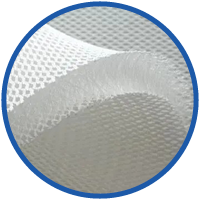
SPACER FABRIC
A three-dimensional textile structure that offers cushioning and breathability. Used in gloves to enhance comfort and reduce vibration transmission.
SHELL MATERIALS
thermoplastic rubber (tpr)
A flexible, molded material applied to the back of gloves to absorb and dissipate impact forces.Used to protect knuckles and fingers from blunt force impacts in heavy-duty applications.
ANTI-VIBRATION PALM PADDING
A cushioned layer integrated into the palm of gloves to absorb and dampen vibration. Used to reduce hand fatigue and protect against long-term injury from vibrating tools.
OUR STRUCTURE IS THE DIFFERENCE
Stego gloves are shaped through deliberate selection and alignment of materials to task requirements. Each element is placed with purpose; coatings, liners, and fit systems working as a unified structure. The distinction comes from how we combine these components through controlled design, application logic, and consistent execution.